You have cleared your calendar, checked the dark Finnish winter forecast, and decided it is time for a safari. Kenya delivers wildlife, open skies, and warmth. This guide is Kenya safari planning for Finnish speakers, covering eTA rules, flights from Helsinki, health prep, park choices, costs, and packing.
This is not a list of every lodge. It is honest, practical planning for your first safari, from a Kenya safari operator that has run these trips for years.
What Does Kenya Safari Planning for Finnish Speakers Involve?
Planning from Finland means a few key differences. You need an eTA instead of a visa stamp, and a connecting flight instead of a direct one. You will also want to match Kenyan seasons to your own holidays.
Do Finnish Citizens Need a Visa or eTA for Kenya?
Yes. Since January 2024, Kenya has used an electronic travel authorization, or eTA, for Finnish passport holders. Before that, Finnish travelers used an online eVisa system that still required paying for a visa. You apply for the eTA online before you fly, no embassy visit needed.
The eTA costs around 30 to 35 USD for the basic tourism authorization, depending on the source you check. This fee can change, so check the official Kenyan eTA portal before you book, and avoid third party sites that charge extra. The application takes about 20 minutes, and most approvals arrive within 3 to 5 days. Apply at least two weeks before departure to be safe.
Your passport needs at least six months of validity from your arrival date, plus a blank page for the entry stamp. Finnish passports meet this easily.
What Is the Best Time of Year to Go on Safari in Kenya?
For a Finnish traveler, the best time depends on wildlife and weather. Kenya has two dry seasons and two wet seasons.
The long dry season runs from late June to October, the peak safari season. Wildlife concentrates around water sources. The Masai Mara hosts the Great Migration from July to October, when grass is short and animals are easy to spot. This matches the Finnish summer break, but it is also when Masai Mara park fees are highest, covered in the cost section below.
The short dry season, January to February, is a hidden gem. Expect hot, dry weather and migration herds in the southern Mara and Serengeti. Crowds and park fees are both lower than in August.
The long rains, March to May, are low season. Lodges drop prices, but roads can be muddy and some airstrips close. The short rains, November to December, bring green landscapes, baby animals, and quieter, birdwatching friendly conditions.
For a Finnish winter escape, January and February are ideal, swapping darkness for heat and lower off peak park fees. For the migration, go in August or September and budget for peak season pricing.
How Many Days Do You Need for a Kenya Safari?
A week is the minimum for a comfortable first safari. Ten days is better, and two weeks allows a relaxed pace.
- 5 to 7 days: One park, usually the Masai Mara or Amboseli. Great wildlife, but not much variety.
- 7 to 10 days: Two parks, such as the Masai Mara with Amboseli or Lake Nakuru.
- 10 to 14 days: Three destinations, adding Samburu, Laikipia, or a coastal break in Diani.
Each internal flight or long drive eats a half day, so do not pack more than three parks into a two week trip.
If time is short, focus on the Masai Mara and Amboseli, the two most distinct habitats and both easy to reach by flight.
What Is the Flight Route and Travel Time from Helsinki to Kenya?
There is no direct flight from Helsinki to Nairobi. Most travelers fly via a European hub such as Amsterdam, Paris, London, Doha, or Istanbul, connecting to Kenya Airways or another carrier.
Total travel time is usually 10 to 12 hours in the air, plus a layover of 2 to 5 hours. Door to door, expect 14 to 18 hours. It is a long day, but far shorter than a trip to Australia.
Fly into Jomo Kenyatta International Airport in Nairobi, then take an internal flight to your safari airstrip. Most safari packages include this transfer.
What Is the Time Difference Between Finland and Kenya?
Kenya is one hour ahead of Finland during Finnish winter time (EET). During Finnish summer time (EEST), the clocks match. This means almost no jet lag: your body clock is already close to local time when you land. Plan a light first day, but you will adjust within 24 hours.
How Much Does a Kenya Safari Cost Per Person?
Costs vary widely. A budget camping safari runs about 150 to 250 USD per person per day. A mid range lodge safari runs 350 to 600 USD. Luxury camps run 700 to 1,500 USD. These figures include accommodation, meals, park fees, and shared vehicle game drives.
What adds up? Park fees, internal flights, and tips. Masai Mara park fees for non residents run about USD 100 per adult per day from January through June. They rise to about USD 200 per adult per day from July through December. That is the peak migration season this guide recommends for wildlife viewing. Conservancies like Mara North and Naboisho charge an extra fee of roughly 80 to 150 USD per person per night, which funds communities and conservation.
Flights from Nairobi to the Mara cost about 150 to 250 USD one way per person. A private vehicle with a guide costs 150 to 300 USD per day. A solo traveler pays nearly double, since sharing a vehicle among two to four people brings the per person price down.
Be wary of prices that look too good. A 100 USD per day safari usually means poor vehicles and crowded camps. Fair value sits in the 250 to 500 USD range for a solid first safari.
For a realistic budget, plan 2,500 to 4,000 EUR per person for a 7 day safari, excluding flights, and more during peak migration months. Check what a safari to Amboseli really costs for a park level breakdown.
Which Parks Should a First Time Visitor Choose?
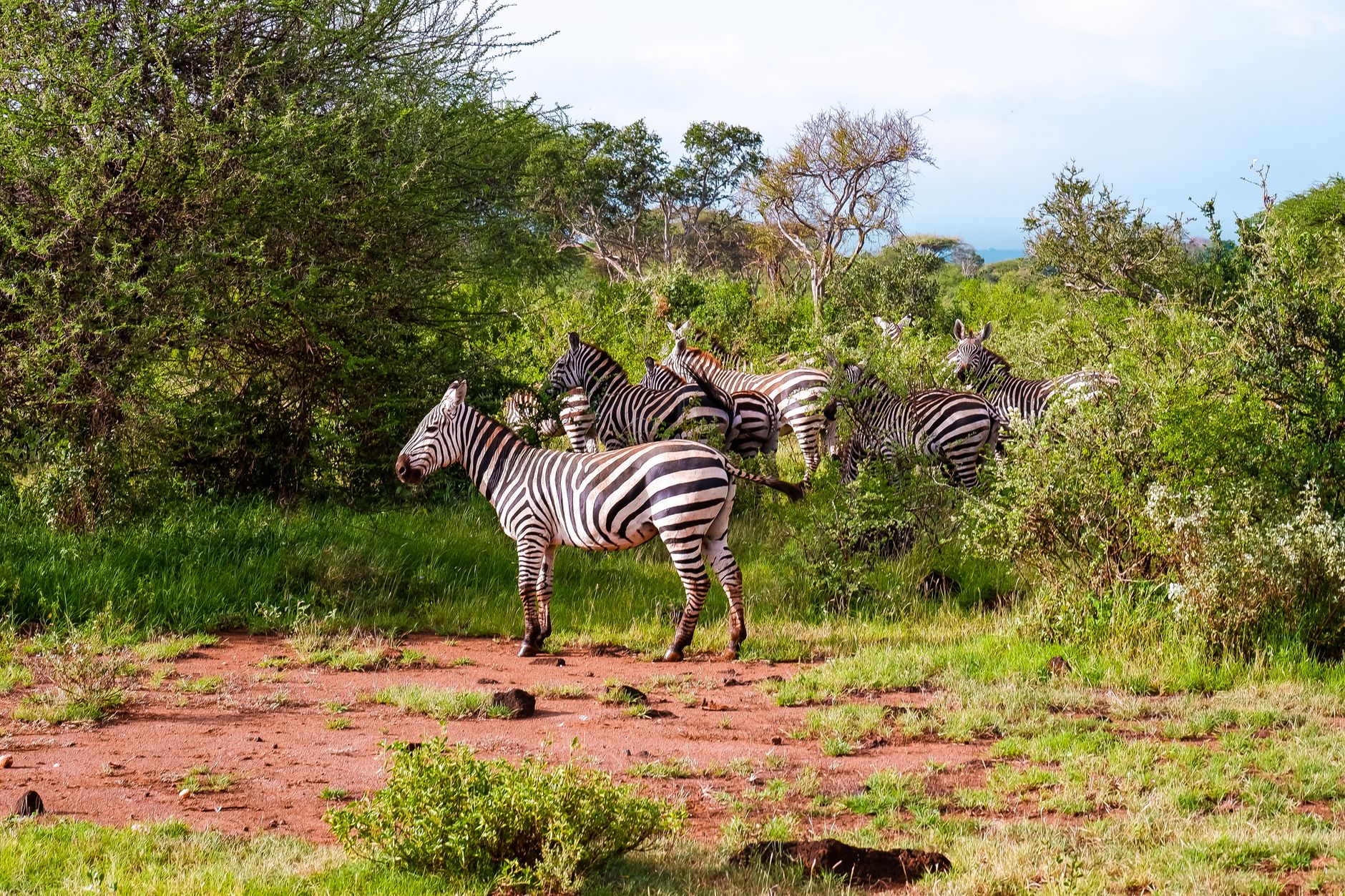
For a first safari, stick to the classics. The Masai Mara is the top choice for big cats and the migration. Amboseli offers elephants against Mount Kilimanjaro. Samburu has unique northern species like the reticulated giraffe and Grevy’s zebra. Lake Nakuru gives you rhinos and flamingos, and Tsavo is vast and wild, good for solitude.
For Finnish first timers, the Masai Mara belongs on every itinerary for its predator density and classic savanna feel. Pair it with Amboseli for a different landscape, or add Samburu or Laikipia for dry country and rhino tracking.
Consider the conservancies adjacent to the Mara. Mara North, Naboisho, and Ol Kinyei offer private land with strict vehicle limits. You see the same wildlife with far fewer crowds, though at a higher cost. Our guide to the Masai Mara covers these areas in detail.
Ol Pejeta Conservancy in Laikipia is another strong choice. It is home to the last two northern white rhinos and a strong black rhino population. It also offers night drives and walking safaris, both rare elsewhere in Kenya. See our Ol Pejeta guide for specifics.
Is English Widely Spoken in Kenya, or Do I Need a Translator?
English is an official language in Kenya, and your guide, lodge staff, and drivers all speak it well. Swahili is the national language, but you do not need it. Learning “jambo” for hello and “asante” for thank you will earn smiles.
Finnish speakers should not worry. Nobody expects you to know Swahili or even English perfectly, and your guide can slow down if needed.
How Should I Choose a Safari Operator?
This matters more than any other planning decision. A good operator handles logistics, provides a skilled guide, and keeps you safe.
Look for three things. Check for a verifiable physical address in Kenya and transparent pricing with no hidden fees. Also look for a guide with at least five years in the specific park you plan to visit.
Ask for references from past Finnish travelers. Ask how many vehicles gather at a sighting, and what the backup plan is if a flight is cancelled or a road floods. In the Mara, a policy of no more than three vehicles at a lion sighting is a good sign.
TouringInsights runs safaris across Kenya and also has planning guides for other Nordic travelers, including our guide for Danish speakers.
What Should I Pack for a Kenya Safari?
Packing for Kenya is simple if you follow three rules: neutral colors, layers, and sun protection.
- Clothing: Lightweight trousers and long sleeved shirts in tan, olive, or khaki. Shorts suit camp, but wear long pants in the vehicle.
- Layers: A fleece and light jacket for cold mornings, since afternoons turn hot.
- Footwear: Closed toe shoes for walks, sandals for camp.
- Sun protection: Broad spectrum sunscreen, a wide brim hat, and polarized sunglasses.
- Insect repellent: DEET based repellent for dusk hours.
- Electronics: A zoom lens camera, spare batteries, a power bank, and your own charging cables.
- Health items: Personal medications, a small first aid kit, and rehydration salts.
- Documents: Passport, eTA printout, insurance details, and vaccination certificate if required.
Do not overpack. Safari vehicles and small bush aircraft have limited space, and many airstrips cap checked baggage at around 15 kg per person in soft sided bags. Confirm the exact allowance with your operator before you fly.
See our full Kenya safari packing list for a detailed checklist.
What Vaccinations and Health Precautions Do I Need?
Kenya requires a yellow fever certificate only if you arrive from a yellow fever endemic country. Finland is not one, so you do not need it for entry, though clinics often recommend it for remote travel or long East Africa stays.
Malaria is present in most of Kenya, including the Masai Mara and Amboseli, and lower in Nairobi and the highlands. Antimalarial medication is strongly recommended, and options include Malarone and Doxycycline, among others. Each has a different schedule for starting before you arrive and continuing after you leave the malaria area. Your Finnish travel clinic will confirm the right choice, dosage, and exact schedule for you before departure.
Other recommended vaccines include hepatitis A, typhoid, and tetanus. Consult your Finnish travel clinic 6 to 8 weeks before departure, and drink only bottled or filtered water once in Kenya.
Is Kenya Safe for Tourists from Finland?
Yes, for safari travelers. The areas you visit on a standard safari have a strong security presence, and parks and conservancies are safe. The main risks are road accidents and petty theft in Nairobi. Use a reputable operator who does not drive at night. Keep valuables in the camp safe, and stay inside the vehicle unless your guide says it is safe to step out.
Guides are trained to assess wildlife situations, so listen to them. Do not walk alone after dark in Nairobi, and use hotel taxis. Your operator will handle airport transfers to your first camp.
Self Drive Safari or Guided Tour?
For first timers, a guided safari is the clear winner. Roads in parks are rough, wildlife can appear anywhere, and a wrong turn wastes hours. A professional guide knows animal behavior, the best viewing spots, and local protocols.
Self drive works for experienced travelers who have done this before. It gives flexibility and lower cost, but the risk of missing key wildlife is higher. Most of our Finnish clients start with a guided safari, then consider self drive on a second trip.
What Does a Kenya Safari Planning Checklist Look Like?
| Item | What You Need | Typical Cost or Timing |
|---|---|---|
| eTA | Online application, passport validity 6+ months | Around 30 to 35 USD fee, approval in 3 to 5 days |
| Vaccinations | Hepatitis A, typhoid, tetanus; yellow fever optional | Book 6 to 8 weeks before |
| Malaria pills | Required for most parks | Malarone or Doxycycline are common options; confirm dosage and exact schedule with your travel clinic |
| Flights from Helsinki | Via European hub, 10 to 12 hours air time | 14 to 18 hours total door to door |
| Time difference | Kenya is 1 hour ahead of Finland (winter) | No jet lag |
| Safari budget | Mid range | 350 to 600 USD per person per day |
| Park fees (Mara) | Non resident, January to June | About USD 100 per adult per day |
| Park fees (Mara) | Non resident, July to December, peak season | About USD 200 per adult per day |
| Conservancy fee (Mara North, Naboisho) | Non resident | 80 to 150 USD per person per night |
| Internal flight Nairobi to Mara | One way | 150 to 250 USD per person |
| Recommended trip length | Two parks | 7 to 10 days |
What Should I Do Next?
Once your dates and budget are set, the next step is comparing operators. Look for packages that match your style, whether that is a tented camp or a family friendly lodge, and do not rush.
Our guide to the Masai Mara and safari cost breakdown are free resources to help you plan.
Where Can You Find More Kenya Safari Planning Resources?
- Kenya wildlife tours from Trunktrails Safaris
- Interactive Maasai Mara map from Valley Safaris
- Compare Kenya safari packages on FindMySafari
- Masai Mara Great Migration guide from Trunktrails Safaris
When you are ready to book, compare safari operators on FindMySafari, Valley Safaris, or Trunktrails Safaris. These platforms list vetted camps and lodges across Kenya, so you can compare itineraries and choose what fits your budget and travel style.
More safari planning resources
- Kenya wildlife tours from Trunktrails Safaris
- Interactive Maasai Mara map from Valley Safaris
- Compare Kenya safari packages on FindMySafari
- Masai Mara Great Migration guide from Trunktrails Safaris
Related guides: Kenya Safari Planning for Indonesian Speakers: Honest Guide.